

Redes
Natural
Park
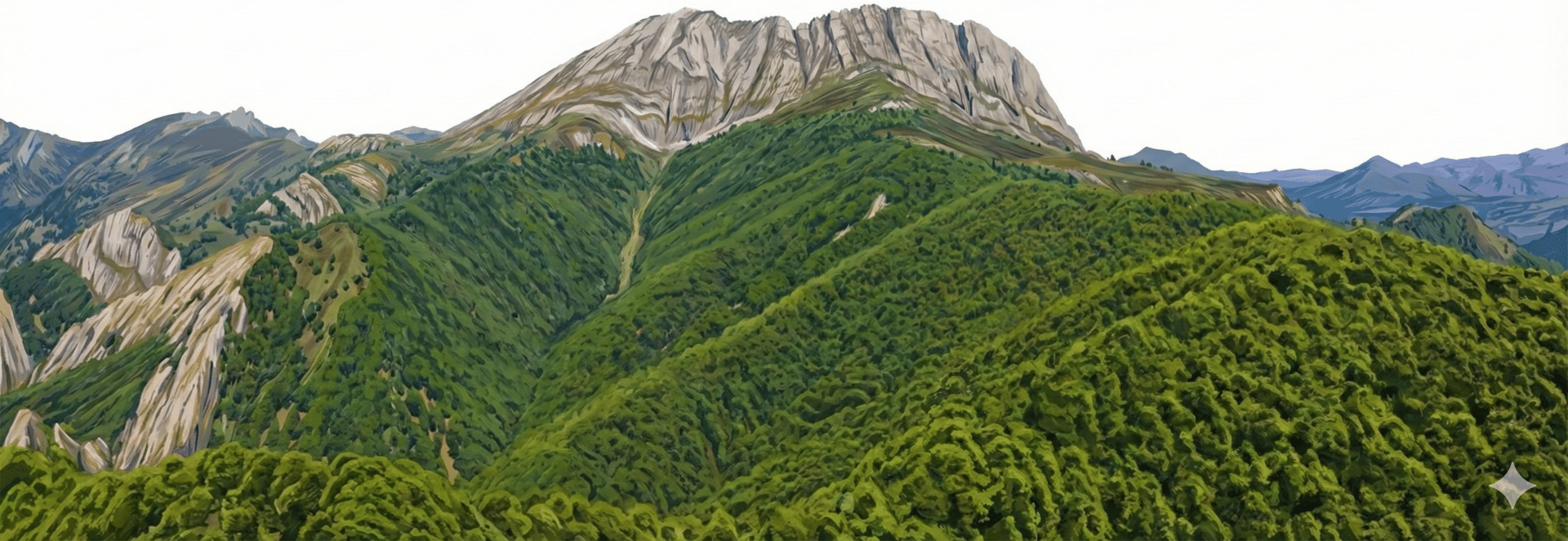
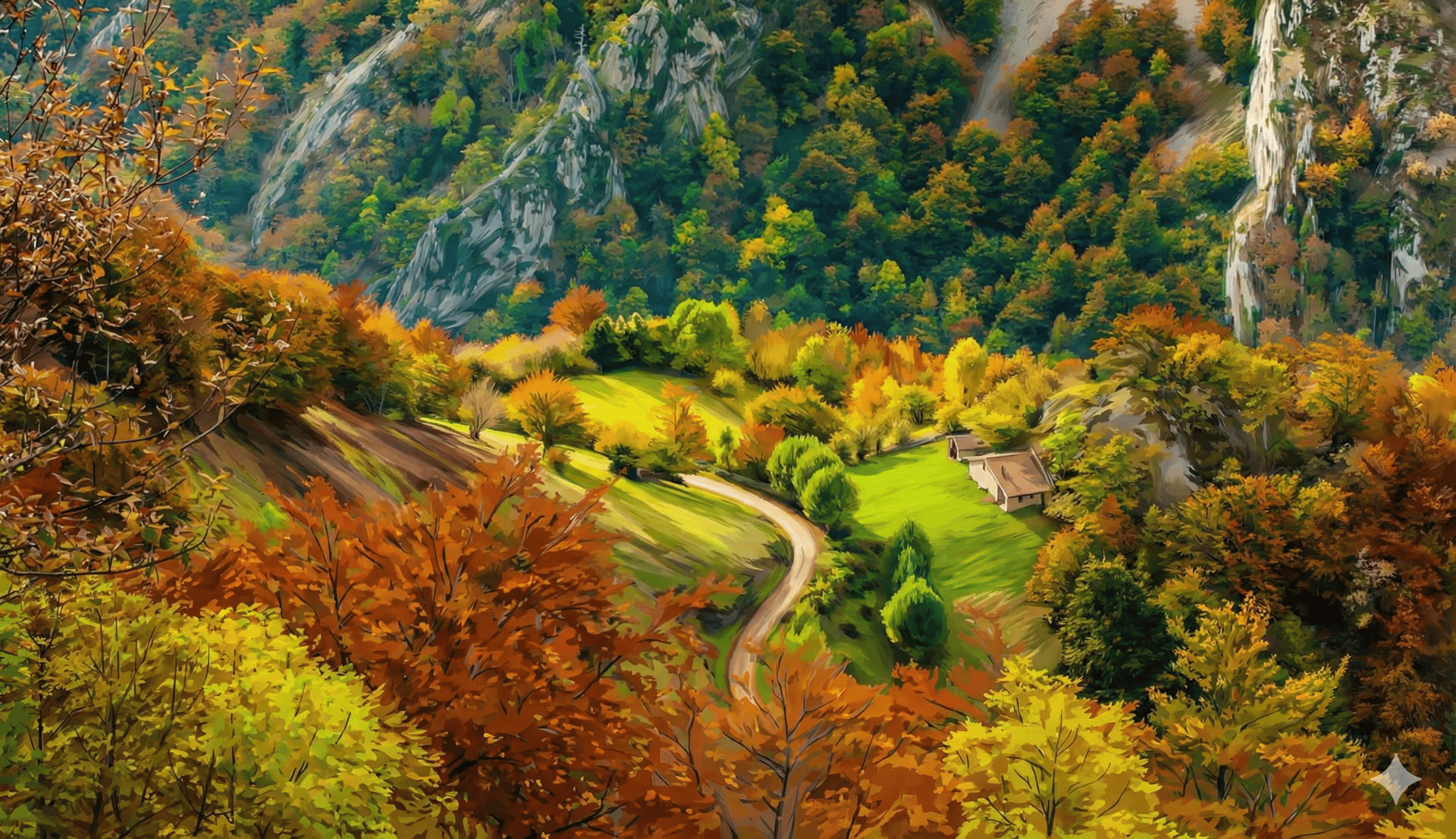
Declared a Natural Park in 1996 and recognised by UNESCO as a Biosphere Reserve in 2001, Redes Natural Park lies in the central-eastern area of the Principality of Asturias.
Its environmental richness is reflected in a wide variety of landscapes and contrasts. Glacial landforms such as moraines and cirques can still be seen, together with karst formations in caves, as well as extensive pastureland and mountain terrain. Forested land covers around 40% of the park’s territory.
Notable peaks include Retriñón, Peña’l Vientu, Cantu l’Osu, Tiatordos and Rapainal, the park’s highest point at 2,002 m. The action of the rivers has shaped open valleys with broad meadows on their floors, as well as impressive limestone gorges such as those of the Alba River and Los Arrudos, two of the main destinations for families who enjoy hiking. One of the park’s most striking places lies in its upper area: easily accessible from the village of Bezanes and sheltered by mountain ridges, at 1,215 m lies the meadowland of Brañagallones.
All the characteristic wildlife species of northern Spain can be found in Redes Natural Park, including the brown bear, capercaillie and wolf. It also has the largest populations of chamois and deer in Asturias. Beech forest is the dominant vegetation type in Redes, although the mountains also contain important areas of sessile oak woodland.
In Redes Natural Park, dogs must remain under the effective control of their owner (preferably on a lead), except for livestock guardian dogs, hunting dogs during hunts, and guide dogs.
TEXT EXTRACTED FROM TURISMO ASTURIAS >
Activities Not Permitted
Disturbing wildlife or damaging plant life
Wild camping, caravans or other mobile shelters (except bivouacking in ZUG, ZUA and ZAM areas)
Water-based activities such as canyoning, gorge descents, white-water sports, rafting, etc., as well as recreational use and swimming in lakes and reservoirs
Sporting activities involving motor vehicles
Air sports activities such as gliding, skydiving, paragliding and similar activities
Responsible Tourism Decalogue
It is holiday and leisure time. It is the ideal moment to enjoy the Asturian countryside, and to do so in the most responsible way possible.
For this reason, if you travel around Asturias and want to enjoy nature-based activities, do not forget to respect the natural environment and local activities. To support this, the Government of the Principality of Asturias has presented the “Responsible Tourism Decalogue”, summarised in the following points:
Responsibility. Visits to protected natural areas must be responsible.
Planning. Find out about the place through official sources and check the weather forecast.
Preparation. Wear suitable clothing and footwear, and choose activities appropriate to your abilities.
Prevention. Respect health regulations.
Avoid crowds. Travel in small groups.
Health. If you feel unwell, cancel the excursion.
Respect. Do not disturb animals or damage plant life.
Leave no trace. Take all waste with you and dispose of rubbish in bins.
Local residents. Respect the customs of local inhabitants; do not block access to farms or enter private land.
Support local business. Whenever possible, contribute to the local economy and buy from local businesses.
Observing these rules is essential for adopting healthy habits when enjoying the natural and rural environment of Asturias.
CODE OF GOOD PRACTICE IN PROTECTED NATURAL AREAS >
GENERAL BROCHURE OF THE REDES BIOSPHERE RESERVE >
INFORMATION MAP OF REDES NATURAL PARK >
Punto a revisar: “decálogo” lo he traducido como decalogue, que es correcto, pero para web turística en inglés suele sonar más natural “10 Principles for Responsible Tourism” o “Responsible Tourism Guidelines”.